
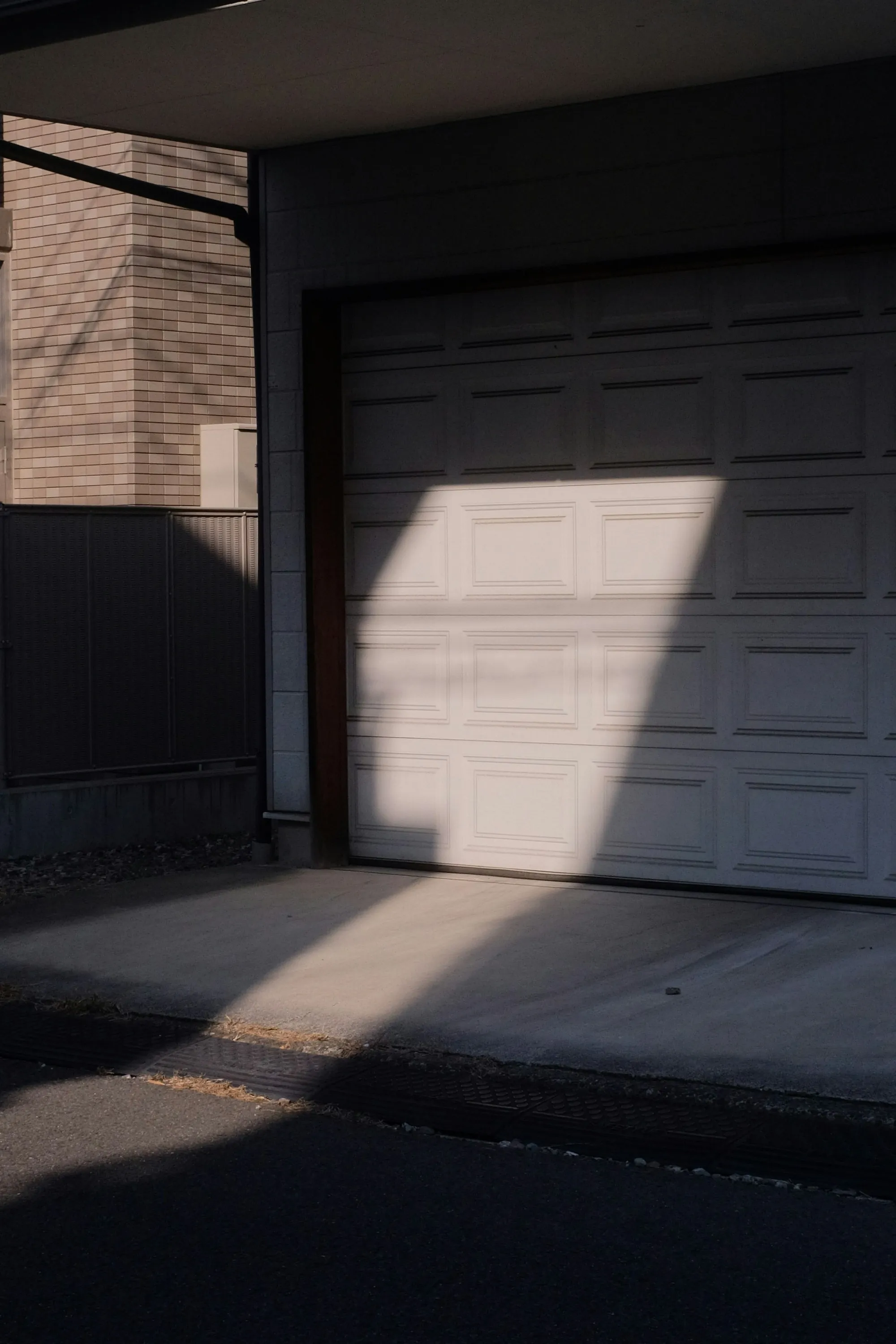
A Look at Both Halves of the Door
A tune-up covers two halves: the parts that move and the parts that seal. On the moving side we test balance, look over springs, cables, rollers and hinges, tighten what vibration has loosened and lubricate what needs it. On the sealing side we inspect the bottom seal, retainer, jamb stops and panel seams for hardening, gaps and wear.
Pairing them is deliberate. Stiffening rubber is easier to catch on a calm visit than after a storm reveals it, and a balanced, straight door seals better. Most owners find a yearly rhythm works, with an extra look for hard-working doors.
Signs a Door Is Due for Attention
It has gotten louder
New squeaks, rumbles or a grinding trip on every cycle point to dry hardware or wheels that are starting to wear.
Rubber looks tired
Press the bottom seal. If it feels stiff, shows cracks or curls at the ends, it will not seal for much longer.
Movement feels different
If the door seems slower, heavier or less even than it did last season, its balance may be drifting.
What a Visit Covers
- 1
Test the balance
With the opener released, we see whether the door holds near the middle of its travel, which reveals how the springs are doing.
- 2
Inspect and tighten the hardware
We go over the springs, the cables and their drums, the wheels, the hinges and every track bracket, snugging anything loose.
- 3
Lubricate what needs it
The correct lubricant goes on rollers' bearings, hinges and springs, while parts that should stay dry are left clean.
- 4
Check seals and the opener
Rubber, retainers and stops are inspected, then the opener's travel, force and reversing are tested.
Seasonal Check Questions
- What is a sensible schedule for servicing?
- Once a year suits most homes. A door used many times a day, or one that is heavy or insulated, benefits from a second check. Think of it as a routine look rather than a repair.
- Does a tune-up include replacing seals?
- We inspect the seals, retainer and stops and tell you what we find. Replacement is a separate step done with your approval, since needs range from a single worn stop to the whole perimeter. Many owners decide on the spot, others plan it for later.
- Can I do some of this myself?
- Wiping tracks, checking that the door reverses on a roll of paper towels and inspecting the bottom seal are simple jobs. Anything involving springs, cables or bottom brackets should stay with a technician, because those parts hold stored force that can injure someone.
Ready for a Look-Over?
Mention how the door has been behaving and which parts seem tired, and we will outline what a visit would include.
Plan a seasonal look — (239) 388-7750